Source non toxic mica powder for cosmetics, plastics, and paints
Find 30 verified listings for non toxic mica powder suitable for cosmetic, plastic, and paint applications. Buyers can compare specifications, prices, and packaging options from multiple suppliers in China to meet their sourcing needs.
Key considerations
Products List




Comprehensive Sourcing Guide
Strategic Sourcing Guide for Non-Toxic Mica Powder Procurement
Understanding the Technical Landscape of Mica Powder
The procurement of mica powder requires a precise understanding of its geological and synthetic classifications, as the term "non-toxic" in a B2B context often refers to the absence of heavy metal contaminants rather than the mineral's inherent chemical structure. Based on observed market data, the supply chain for this material is bifurcated between natural and synthetic varieties. Natural mica, specifically identified in the current market inventory as Muscovite, is a primary candidate for non-toxic applications due to its stable silicate structure. The product listings indicate that natural mica is often categorized under specific model numbers such as HZ-320147MICA, suggesting a standardized grading system exists within the supply chain.
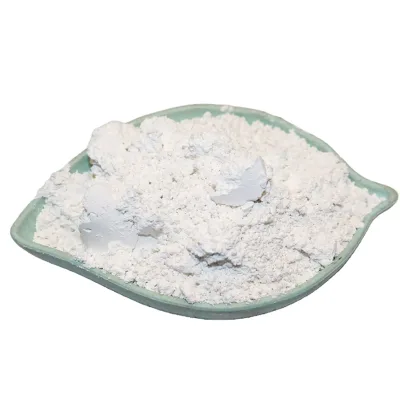
The physical form of the powder is a critical technical specification. The observed inventory confirms that mica powder is available in a Powder state, with particle sizes ranging from 325mesh to 1250mesh. This granularity directly influences the material's performance in end-use applications. For instance, finer meshes (higher numbers) are typically required for cosmetic applications where smoothness and opacity are paramount, while coarser meshes may be preferred for construction or refractory uses where structural integrity is key. The shape of the particles is also variable, listed as either Powder or Particle, which affects flowability and packing density during manufacturing. Buyers must verify the specific mesh size required for their process, as the standard 325-1250mesh range observed in the market covers a broad spectrum of industrial needs.
Color is another defining attribute. While the core keyword specifies "non-toxic," the visual properties of the mica vary significantly. The market data lists colors including Black, White, Gold, and others. The presence of White and Gold variants is particularly relevant for cosmetic and high-end decorative applications where the purity of the pigment is essential. It is important to note that while the mineral itself is naturally occurring, the final color can be influenced by the specific geological source or post-processing treatments. Buyers should not assume that all white mica is identical; the source location, such as Hunan or general China origins, can impact the consistency of the color profile.
Compliance and Certification Verification Protocols
In the B2B sector, the claim of "non-toxic" is not merely a marketing term but a regulatory requirement that demands rigorous verification. The procurement strategy must prioritize suppliers who can provide documented evidence of safety and quality. The observed market data explicitly mentions ISO certification as a standard attribute for certain mica products. This certification serves as a baseline indicator that the supplier adheres to international management system standards, which often encompass environmental and safety protocols. However, the presence of an ISO mark alone does not guarantee the specific non-toxic status of the mica; it validates the supplier's process management.
Buyers must go beyond general certifications and request specific test reports regarding heavy metal content. While the provided data lists "Iron Blue" and "Lead Chrome Green" as pigments in other product categories, it is crucial to distinguish these from the mica powder itself. The presence of lead-based pigments in the broader catalog does not imply they are present in the mica, but it highlights the need for strict segregation and testing. For non-toxic mica, the buyer should verify that the product does not contain arsenic, lead, or cadmium, which are common contaminants in natural mineral deposits. The standard "500g/plastic bag" or "25kg/Bag" packaging formats observed suggest that the material is handled in bulk, necessitating robust quality control at the point of packing to prevent cross-contamination.
Furthermore, the application of the mica dictates the necessary compliance level. When used in cosmetics, pharmaceuticals, or food-related packaging, the regulatory bar is significantly higher than for industrial plastics or rubber. The data indicates that mica is used in Textile, Paper, Leather, Ink, Paint, Plastic, Cosmetic, Ceramic, and even Food applications. For the food and cosmetic sectors, the buyer must ensure the supplier can provide a Certificate of Analysis (CoA) that specifically addresses the non-toxic criteria for human contact. The "OEM Packing" and "retail packaging" options observed in the market suggest that suppliers are capable of meeting diverse regulatory labeling requirements, but the buyer must explicitly request these documents before finalizing the order.
Cost Drivers and Pricing Dynamics
The pricing of non-toxic mica powder is influenced by a complex interplay of factors, including particle size, purity, and packaging specifications. The observed market data reveals a wide price range, with values spanning from $0.1 to $2000 USD. This vast disparity is not indicative of a single product but rather reflects the diversity of the market, ranging from raw bulk industrial grade to highly refined, cosmetic-grade powders. The lower end of the spectrum likely corresponds to coarser mesh sizes intended for construction or basic industrial fillers, while the higher end represents fine, purified, and color-stabilized variants suitable for high-value applications.
Minimum Order Quantity (MOQ) is a significant cost driver in this sector. The observed MOQ range is extensive, from 1 unit to 25,000 units. For small-scale buyers or those testing a new formulation, an MOQ of 1kg or even lower (5g, 10g, 20g) is available, though the unit cost will be higher. Conversely, large-scale industrial buyers can leverage economies of scale by ordering in 25kg bags or larger, which significantly reduces the cost per kilogram. The packaging format also plays a role; "Plastic Bag" and "Carton Box" options are standard, but specialized "OEM Packing" or custom configurations may incur additional costs.
Lead time is another variable that impacts the total cost of ownership. The data indicates delivery times ranging from 3-7 days to 5-12 days. Shorter lead times often command a premium, especially if the buyer requires expedited shipping or if the supplier is holding stock for immediate dispatch. For standard orders, the 5-12 day window is typical. Buyers should factor in the potential for price fluctuations based on raw material availability and shipping logistics, particularly given that the origin is predominantly China. The "Payment: T/T" (Telegraphic Transfer) method observed suggests that standard trade terms apply, but buyers should negotiate payment terms that align with their cash flow, especially for large orders involving significant capital outlay.
Typical Applications and Performance Requirements
The versatility of non-toxic mica powder is evident in its extensive list of applications. The material is utilized in Textile, Paper, Leather, Ink, Paint, Plastic, Food, Cosmetic, Ceramic, Coating, Plastics, Painting, Rubber, Glass, Casting, Metallurgy, Construction, Chemical, Pharmaceutical, Transportation, and Refractory industries. This breadth of usage underscores the need for buyers to select the specific grade of mica that matches their application's performance requirements.
In the cosmetic and pharmaceutical sectors, the non-toxic attribute is paramount. Mica is often used as a base for pigments to provide shimmer and opacity. The "White" and "Gold" color variants observed are particularly valuable here. The particle size is critical; for cosmetics, a fine mesh (e.g., 1250mesh) ensures a smooth texture on the skin, while coarser particles can cause irritation. In the plastic and rubber industries, mica serves as a reinforcing filler. The "Synthetic" and "Natural" types observed both have roles here, but natural Muscovite is often preferred for its thermal stability and dielectric properties.
For industrial applications like construction and refractory materials, the focus shifts to durability and heat resistance. The "Particle" shape and coarser mesh sizes are more suitable for these uses. The data also lists "Epoxy resin" and "Metallic Powder" as related product models, indicating that mica is often used in conjunction with resins to create composite materials. In the paint and ink industries, mica acts as a barrier pigment, improving the durability and weather resistance of the coating. The "Iron Oxide Yellow" and "Chrome Oxide Green" pigments listed in the broader context suggest that mica can be coated or mixed with other pigments to achieve specific color effects, provided the base mica is non-toxic.
Supplier Evaluation and Selection Criteria
Selecting the right supplier for non-toxic mica powder requires a multi-faceted evaluation process. The first step is verifying the supplier's origin and manufacturing capabilities. The data indicates that products originate from China, with specific mentions of Hunan as a production hub. While this provides a geographical baseline, buyers should not rely solely on location. Instead, they must assess the supplier's ability to maintain consistent quality across batches. The presence of "OEM Packing" and "Customizable" options suggests that the supplier has the flexibility to meet specific client needs, which is a positive indicator of operational maturity.
Certification status is a primary filter. As noted, ISO certification is a standard attribute in the market. Buyers should prioritize suppliers who can provide up-to-date ISO certificates and, more importantly, specific test reports for heavy metals and other contaminants. The "Brand Name: Hz" observed in the data suggests that some suppliers operate under established brand identities, which can be a proxy for reliability. However, buyers should not assume that a brand name guarantees quality without independent verification.
The supplier's logistical capabilities are also crucial. The observed delivery times of 3-12 days indicate a responsive supply chain, but buyers should confirm if these times are consistent or if they fluctuate based on order volume or seasonality. Payment terms, specifically "T/T," are standard, but buyers should negotiate terms that protect their interests, such as partial payments upon shipment or inspection. Finally, the supplier's willingness to provide samples for testing is a critical step. Given the wide range of particle sizes and colors, a sample allows the buyer to verify the non-toxic claim and the physical properties before committing to a large order.
Quality Control and Long-Term Procurement Strategy
Implementing a robust quality control (QC) protocol is essential for maintaining the integrity of non-toxic mica powder throughout the supply chain. The first line of defense is the Certificate of Analysis (CoA) provided by the supplier. This document should detail the chemical composition, particle size distribution, and heavy metal content. Buyers should establish a sampling plan that aligns with the order size; for example, a 1kg sample for small orders and a statistically significant sample for bulk 25kg or larger shipments.
Long-term procurement strategies should focus on building a relationship with suppliers who demonstrate consistency and transparency. The observed market data shows a variety of packaging options, from "25kg/Bag" to "5g, 10g, 20g" retail sizes. For long-term contracts, buyers should negotiate for standardized packaging that minimizes waste and simplifies handling. The "Customizable" packaging option suggests that suppliers are open to tailoring their offerings, which can be leveraged to improve efficiency in the buyer's own production line.
Sustainability is also becoming a key consideration in long-term procurement. While the data does not explicitly mention sustainability certifications, the use of natural Muscovite mica implies a reliance on mining practices that should be environmentally responsible. Buyers should inquire about the supplier's mining and processing practices to ensure they align with corporate sustainability goals. Additionally, the "Synthetic" mica option observed provides an alternative that may offer more consistent quality and a reduced environmental footprint, depending on the manufacturing process.
In conclusion, sourcing non-toxic mica powder requires a disciplined approach that balances technical specifications, compliance verification, cost management, and supplier reliability. By leveraging the observed market data and adhering to rigorous quality control protocols, buyers can secure a supply of high-quality, safe mica powder that meets the demands of diverse applications. The key is to remain vigilant in verifying claims and to build partnerships with suppliers who prioritize transparency and consistency.
FAQs
What certifications verify non-toxic mica powder safety?
ISO certification is available for mica powder to verify safety standards. Buyers must also request specific test reports for heavy metals like lead or arsenic to ensure the product meets non-toxic requirements for cosmetics or food applications.
Which particle sizes are available for non toxic mica powder?
Non toxic mica powder is available in particle sizes ranging from 325mesh to 1250mesh. Finer meshes are suitable for cosmetic applications, while coarser particles are used in construction or refractory materials depending on the specific industrial need.
Can I find non toxic mica powder with custom packaging?
Yes, custom packaging options like OEM packing are available for non toxic mica powder. Standard options include 25kg bags or 500g plastic bags, allowing buyers to select formats that fit their specific logistical and regulatory requirements.
What is the typical delivery time for mica powder orders?
The typical delivery time ranges from 3 to 12 days depending on the supplier and order volume. Shorter lead times of 3-7 days are common for standard orders, while larger or customized requests may require up to 12 days for processing.
How does MOQ affect the cost of non toxic mica powder?
Minimum Order Quantity significantly impacts unit cost, with options ranging from 1kg to bulk quantities. Smaller orders like 5g or 1kg samples cost more per unit, while larger bulk purchases in 25kg bags reduce the overall price per kilogram.
Which colors are available for non toxic mica powder?
Non toxic mica powder is available in colors such as White, Black, and Gold. These color variants are essential for cosmetic and decorative applications, with white and gold being particularly popular for high-end cosmetic formulations requiring purity.
Where are non toxic mica powder manufacturers located?
Manufacturers of non toxic mica powder are primarily located in China, with specific production hubs in Hunan. Buyers should verify the origin to ensure consistent quality and to assess logistics costs associated with importing from these specific regions.